HbA1c explained: what your A1C result really means
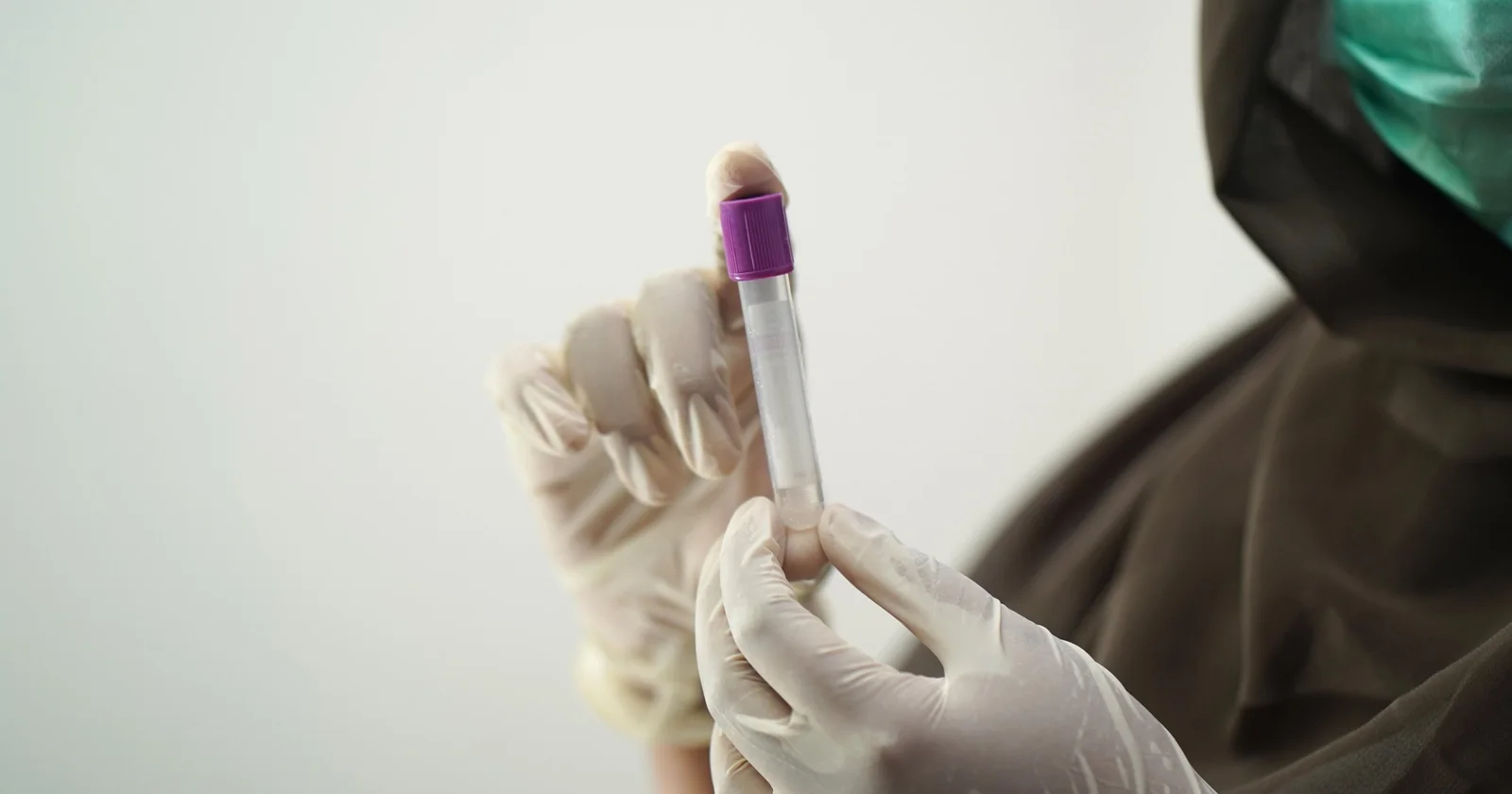
The HbA1c (A1C) test shows your average blood sugar over the past 2–3 months. Learn how it works, what the numbers mean, how it converts to average glucose and what can affect the result.
This article is for general education only. It does not replace advice from your doctor. Only a health professional can diagnose diabetes or set your personal goals.
What is HbA1c?
Hemoglobin is the protein inside red blood cells that carries oxygen. When glucose circulates in your blood, part of it sticks to hemoglobin. This "sugar-coated" hemoglobin is called HbA1c (also known as A1C or glycated hemoglobin).
Red blood cells live for about three months. So the share of hemoglobin coated with glucose reflects your average blood sugar over the past 2 to 3 months, not just a single moment. That is why one finger-prick reading and your HbA1c can tell different stories.
How is the test done?
HbA1c is a simple blood test, done in a laboratory or sometimes at the clinic. No fasting is needed and it can be taken at any time of day. The result is given as a percentage (%), and in many countries also in mmol/mol (IFCC units).
What do the numbers mean?
For people who have not been diagnosed with diabetes, health authorities such as the CDC, the NIDDK and the American Diabetes Association use these ranges:
- Normal: below 5.7% (below 39 mmol/mol)
- Prediabetes: 5.7% to 6.4% (39–47 mmol/mol)
- Diabetes: 6.5% or higher (48 mmol/mol or higher)
A diagnosis is never made from one number alone. Unless there are clear symptoms, a result in the diabetes range must be confirmed with a second test on another day. HbA1c is used mainly for type 2 diabetes and prediabetes; it is not used to diagnose type 1 diabetes.
Within the prediabetes range, the higher the result, the higher the risk of developing type 2 diabetes. The good news: healthy eating, regular physical activity and weight management can delay or even prevent it.
HbA1c goals for people with diabetes
If you already have diabetes, HbA1c helps you and your care team follow your progress. According to the American Diabetes Association Standards of Care 2026, a goal below 7% (53 mmol/mol) is appropriate for many non-pregnant adults. But goals are personal:
- a lower goal (for example below 6.5%) may suit some people when it can be reached safely, without low blood sugar;
- a less strict goal may be safer for older adults, people with frequent hypoglycemia or other serious health conditions.
Your doctor sets your goal with you. Never change your treatment based on a number alone.

From HbA1c to average glucose
HbA1c can be converted into an estimated average glucose (eAG) with a formula from the international ADAG study:
eAG (mg/dL) = 28.7 × HbA1c − 46.7
Some examples:
- 5.7% ≈ 117 mg/dL (6.5 mmol/L)
- 6.5% ≈ 140 mg/dL (7.8 mmol/L)
- 7% ≈ 154 mg/dL (8.6 mmol/L)
- 8% ≈ 183 mg/dL (10.2 mmol/L)
- 9% ≈ 212 mg/dL (11.7 mmol/L)
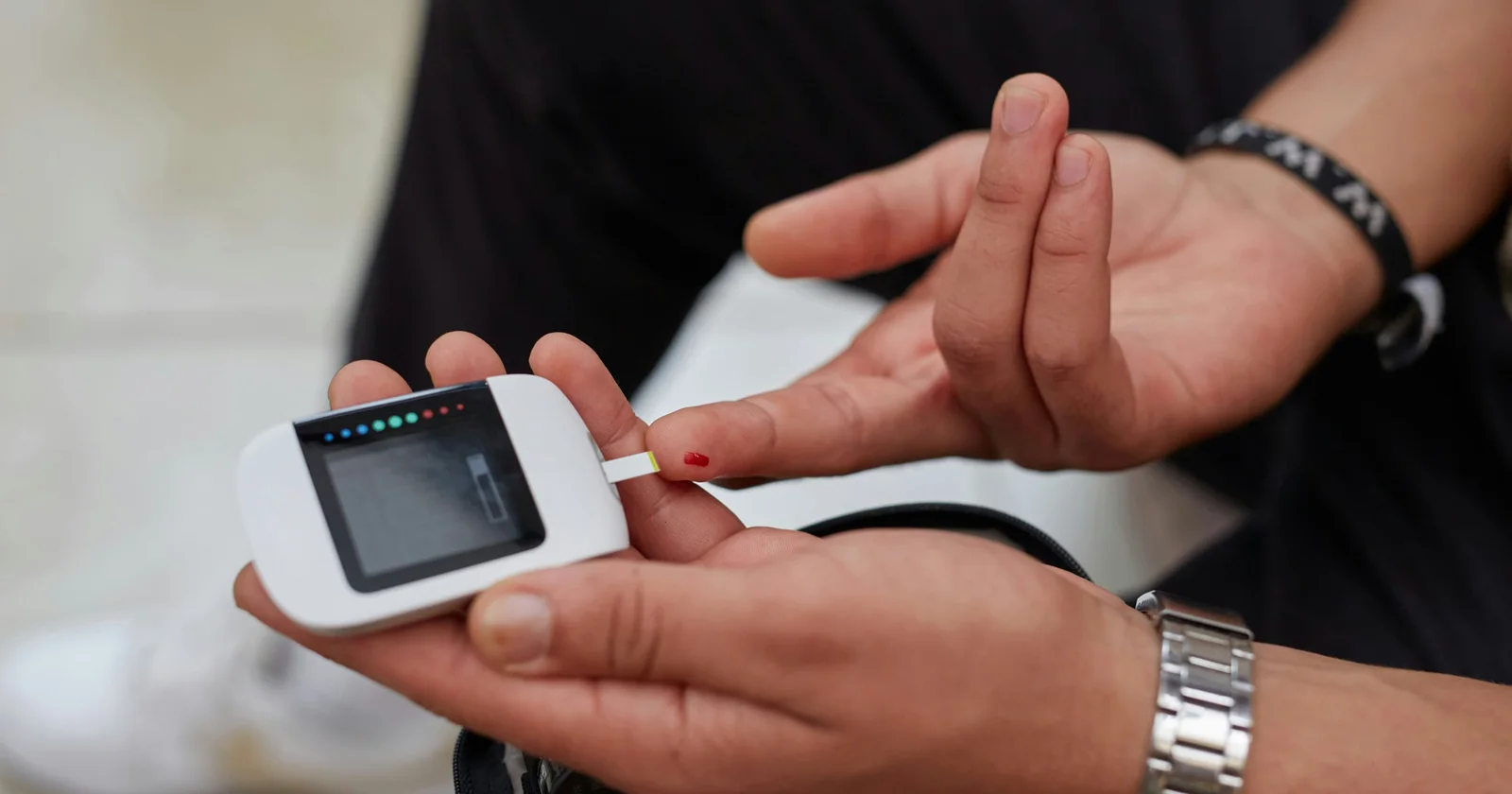
Try it yourself with our HbA1c calculator and switch between mg/dL and mmol/L with the glucose converter. In your DiaCare dashboard, an estimated A1C also appears once you have logged at least 3 readings. It is an estimate based on your own logs, not a lab result.
What can make HbA1c less accurate?
Because HbA1c depends on the life of red blood cells, anything that changes them can make the result falsely high or low:
- anemia (including iron deficiency), recent blood loss or a blood transfusion;
- hemoglobin variants such as sickle cell trait (HbS), HbC, HbD or HbE, which are more common in people with roots in Africa, the Mediterranean, and South or Southeast Asia;
- chronic kidney disease or liver disease;
- pregnancy.
If your HbA1c does not match your meter readings, tell your doctor. Another test may suit you better.
How often should you test?
- No diabetes: the CDC recommends an A1C test for adults over 45, or younger adults with overweight and other risk factors. If the result is normal, repeat it every 3 years.
- Prediabetes: usually every 1 to 2 years, or as your doctor advises.
- Diabetes: at least twice a year when you meet your goals and are stable, and about every 3 months if your treatment has changed or you are not meeting your goals.
Key points
- HbA1c shows your average blood sugar over 2 to 3 months.
- Below 5.7% is normal, 5.7–6.4% is prediabetes, 6.5% or more suggests diabetes (to be confirmed).
- A common goal for adults with diabetes is below 7%, but your goal is personal.
- Discuss your results with your doctor.
Sources
⚠️ This article is for education only and does not replace medical advice.