How to read your blood sugar results: targets, lows and highs
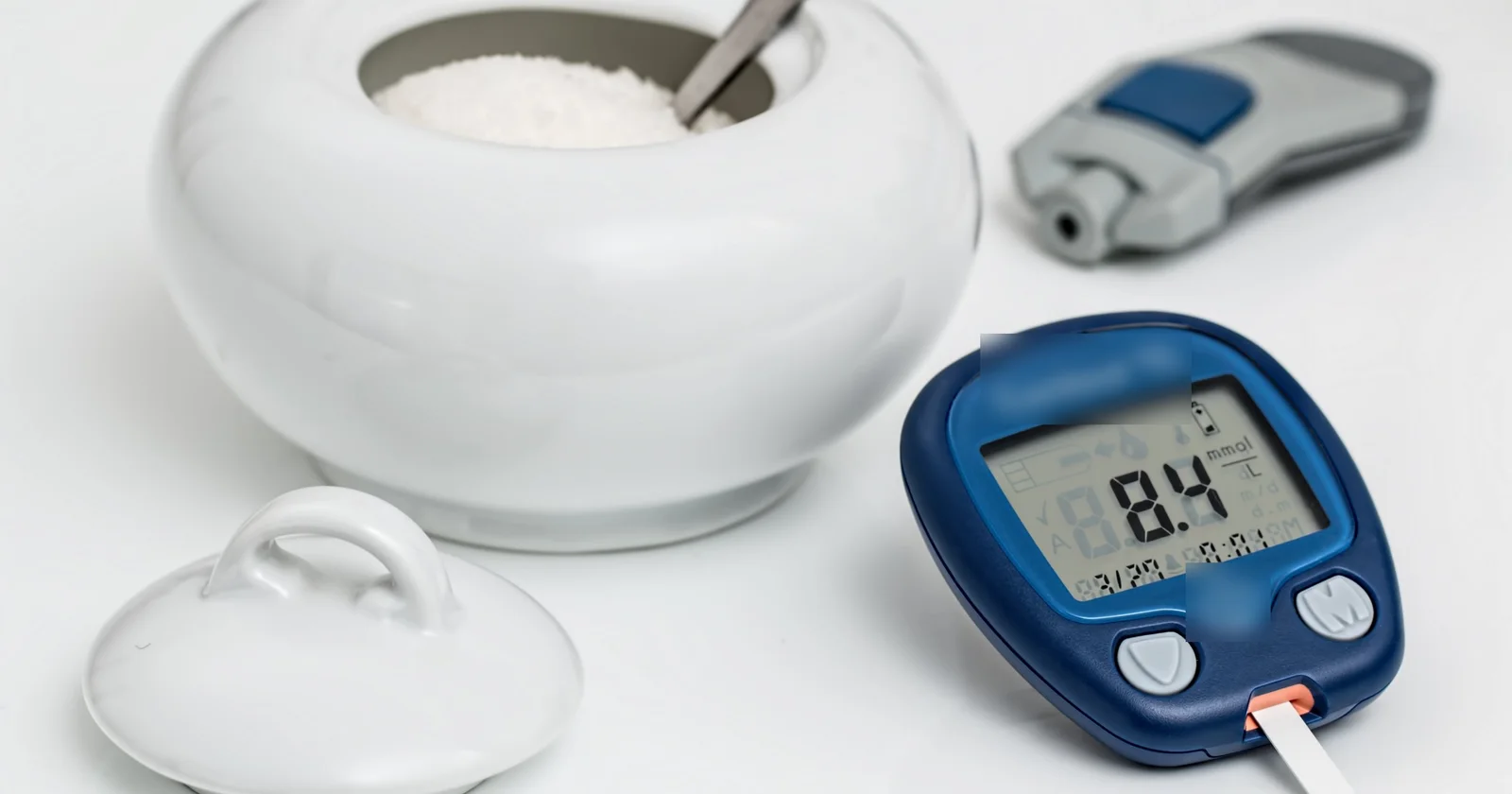
Your meter shows a number, but what does it mean? Learn when to check, how to get an accurate reading, typical targets, and what to do when your blood sugar is too low or too high.
Your meter shows a number, but what does it actually mean? Here is how to read your blood sugar results, which ranges to aim for, and when a reading needs action.
When to check your blood sugar
How often you check depends on your type of diabetes and your treatment. Typical moments are:
- when you wake up, before eating or drinking anything;
- before a meal;
- two hours after the start of a meal;
- at bedtime.
You may also check when you feel symptoms of a low, before or after exercise, when you are sick or stressed, or after an unusual meal. Your doctor will tell you what fits your plan.
How to get an accurate reading
- Make sure your meter is ready and your test strips have not expired.
- Wash your hands with soap and warm water, then dry them well. Sugar on your fingers (from fruit, for example) can give a falsely high result.
- Massage or shake your hand to bring blood to your fingertip.
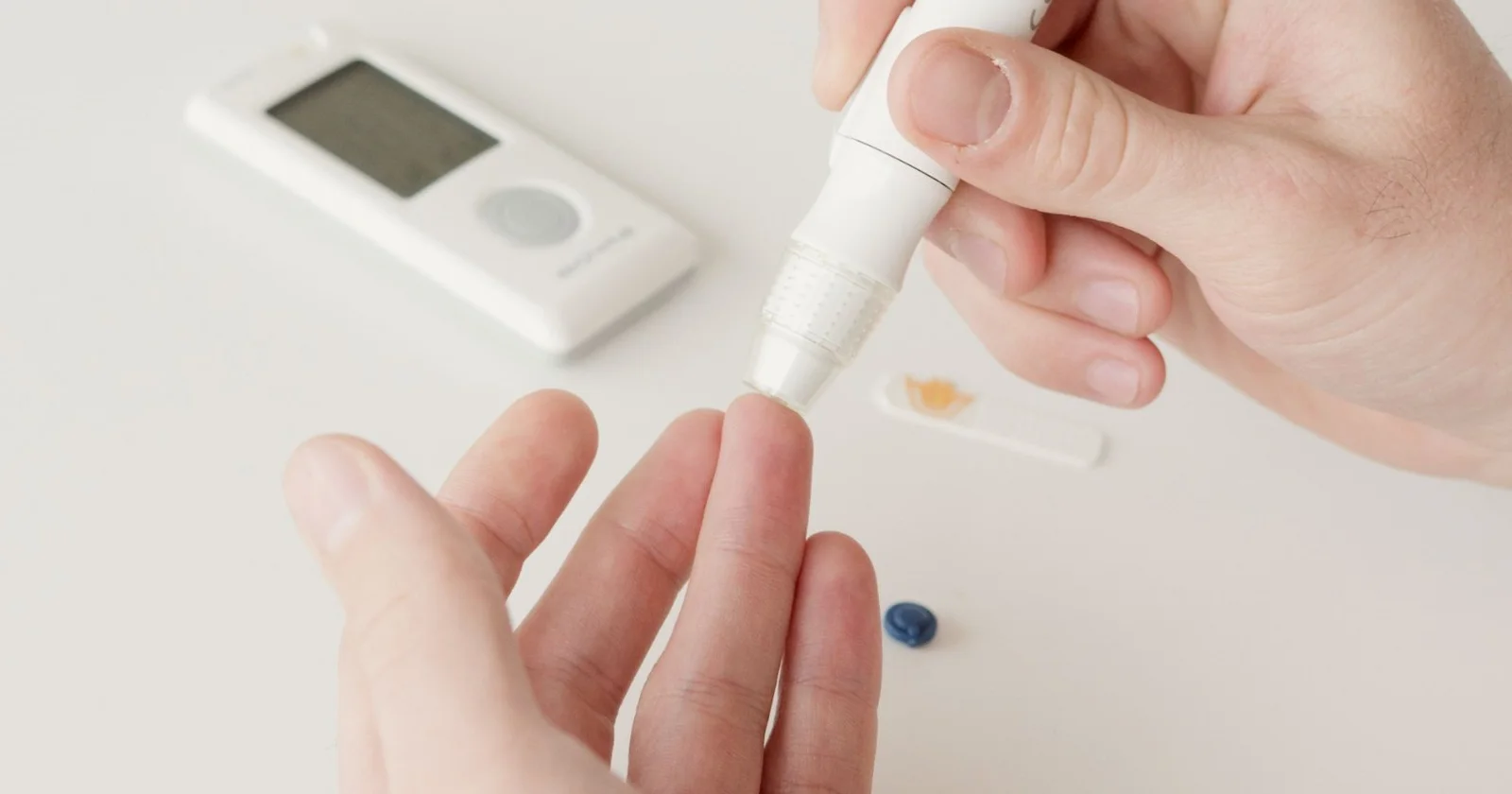
- Prick the side of your fingertip with the lancet; it hurts less than the pad.
- Gently place the drop of blood on the strip and wait for the result.
- Log the result, with the time and what you were doing (before a meal, after exercise…).
Typical targets for people with diabetes
| Moment | Target (mg/dL) | Target (mmol/L) |
|---|---|---|
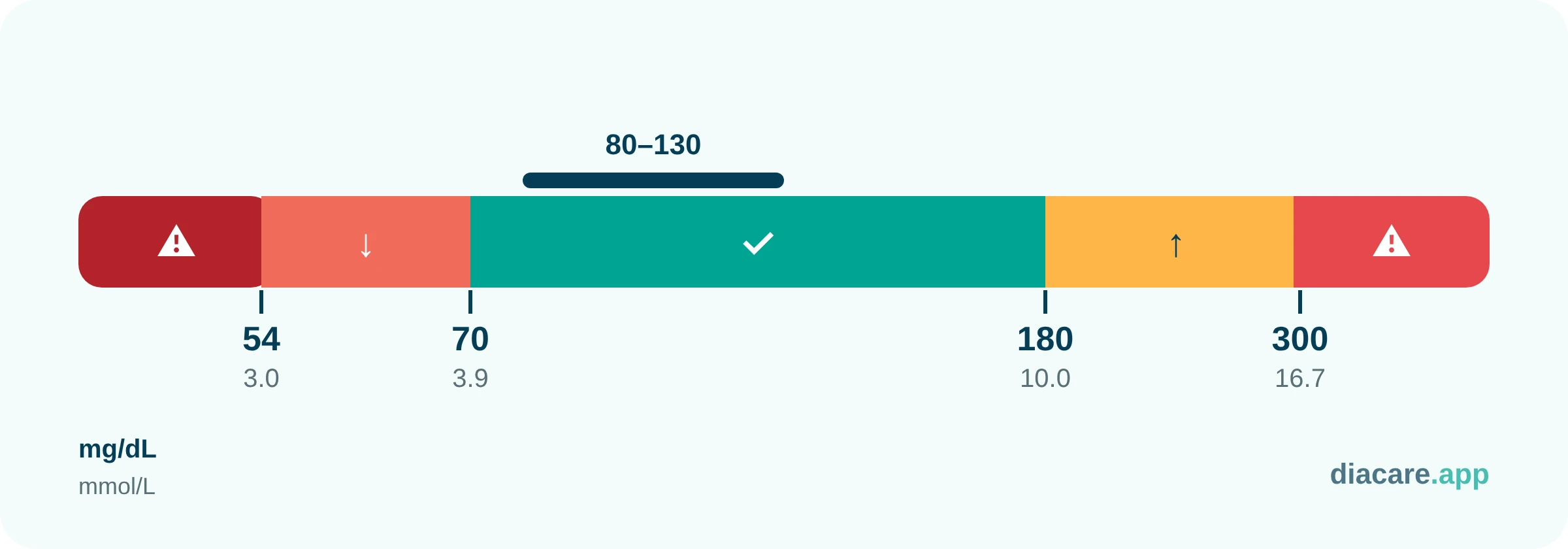
| Before a meal | 80 to 130 | 4.4 to 7.2 |
| 2 hours after the start of a meal | Below 180 | Below 10.0 |
| Time in range (CGM) | 70 to 180 | 3.9 to 10.0 |
These are typical targets for many non-pregnant adults. Targets can be different for pregnant women, older adults, children and people with frequent lows. Ask your doctor which targets are right for you.
And without diabetes?
A home meter is not used to diagnose diabetes. Diagnosis relies on laboratory tests, such as fasting plasma glucose (after at least 8 hours without eating) or HbA1c:
| Fasting plasma glucose (lab) | mg/dL | mmol/L |
|---|---|---|
| Normal | Below 100 | Below 5.6 |
| Prediabetes | 100 to 125 | 5.6 to 6.9 |
| Diabetes | 126 or higher | 7.0 or higher |
Low blood sugar (hypoglycemia)
| Level | Blood sugar | What it means |
|---|---|---|
| Level 1 | 54 to 69 mg/dL (3.0–3.8 mmol/L) | Low: treat it now |
| Level 2 | Below 54 mg/dL (below 3.0 mmol/L) | Very low: serious, act immediately |
| Level 3 | Any value | Severe: the person needs help from someone else |
Common signs: shakiness, sweating, chills, fast heartbeat, hunger, dizziness, irritability or confusion. Some people feel no symptoms at all (hypoglycemia unawareness), which is why checking matters.
Avoid chocolate, pastries or high-fiber foods to treat a low: fat and fiber slow down how fast the sugar is absorbed.
High blood sugar (hyperglycemia)
High blood sugar can come from a larger meal than usual, less activity, illness, stress or a missed dose of medication. Signs include strong thirst, frequent urination, blurred vision and tiredness.
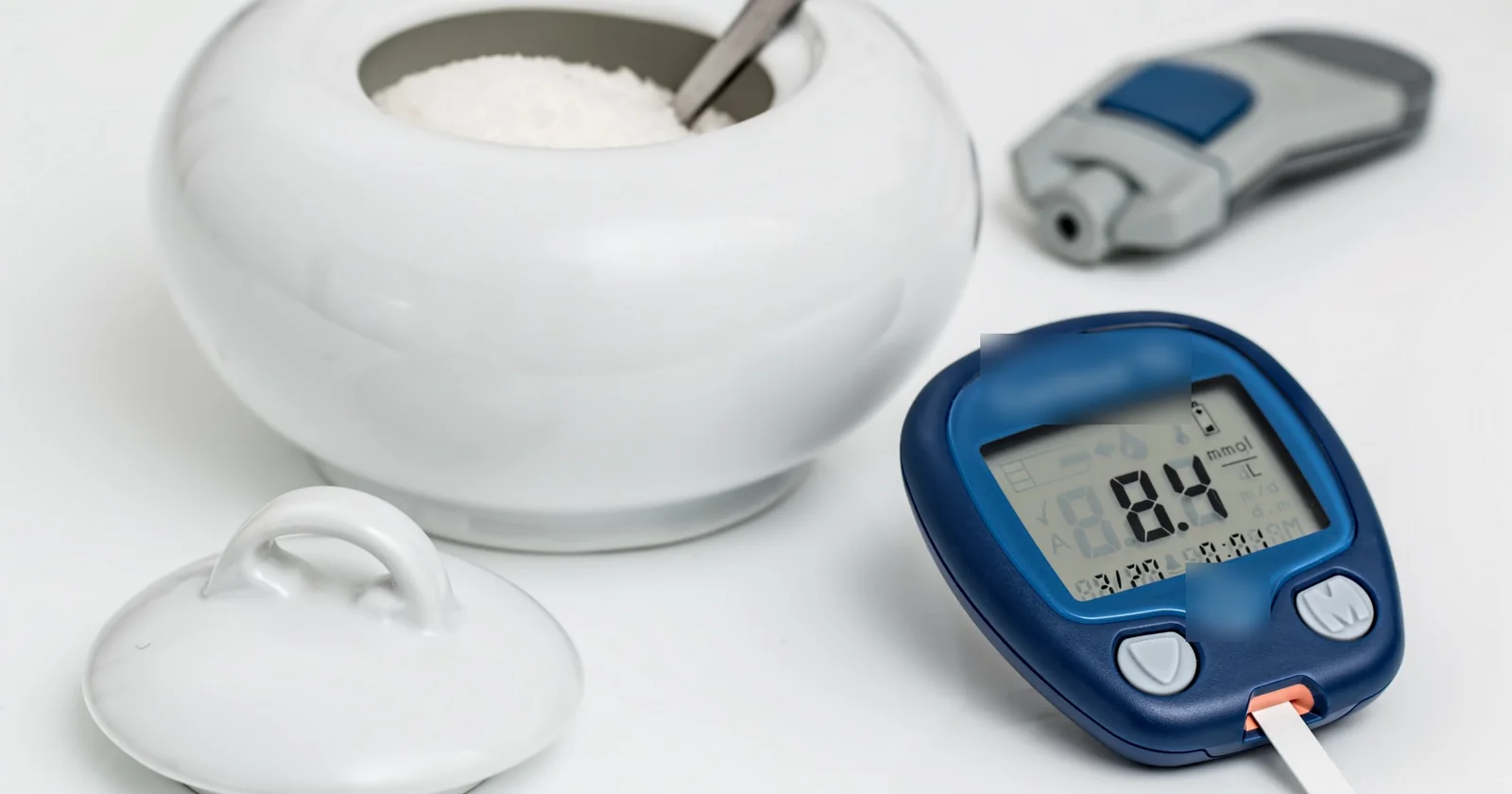
If you have type 1 diabetes, your doctor may ask you to check for ketones when your blood sugar is above 240 mg/dL (13.3 mmol/L), or when you are sick.
Track your readings with DiaCare
Log your readings in the blood sugar page of your dashboard: each value is shown in a color zone, with an alert for readings below 54 or above 300 mg/dL. Use the glucose converter to switch between mg/dL and mmol/L, and print your report for your next appointment.
Sources
⚠️ This article is for education only and does not replace medical advice.